
Abortion Pills: How Medical Abortion Works and What to Expect
If you have recently discovered that you are pregnant and are considering your options, you may have questions about abortion pills and medical abortion. Understanding how medical abortion works, what symptoms may occur, and when to seek medical attention can help you make informed decisions about your health.
This guide provides general educational information about abortion pills and the medical abortion process.
What Are Abortion Pills?
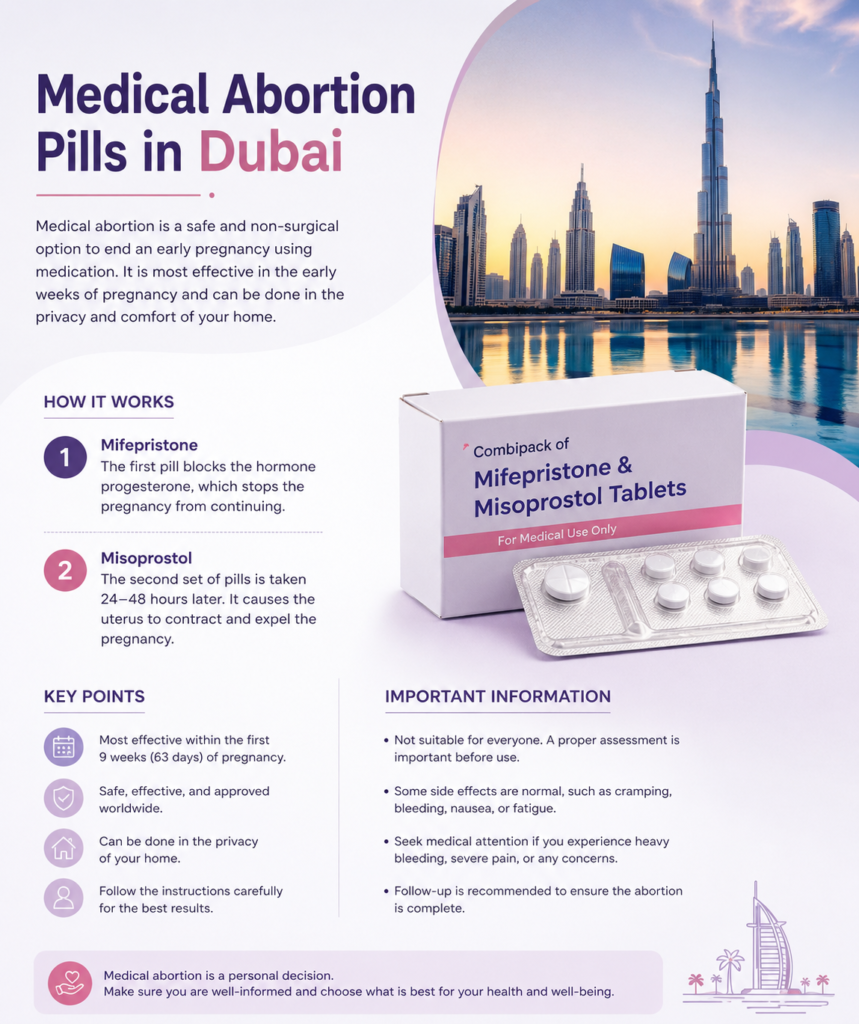
Abortion pills are medicines used for medical abortion. Medical abortion commonly involves medicines such as mifepristone and misoprostol, depending on the pregnancy stage, medical circumstances, and applicable clinical guidance.
These medicines work differently from emergency contraception. Emergency contraception is intended to help prevent pregnancy after unprotected sex, while abortion medicines are used to end an existing pregnancy.
How Does Medical Abortion Work?
Medical abortion works through medicines that cause the pregnancy to stop developing and help the uterus empty.
Mifepristone works by blocking progesterone, a hormone needed to support pregnancy. Misoprostol causes the uterus to contract, which can lead to cramping and bleeding as the pregnancy tissue passes.
The process can vary from person to person. The experience may depend on the stage of pregnancy, individual health, and the medical protocol being followed.
Why Is Pregnancy Dating Important?
Before considering medical abortion, it is important to estimate how far along the pregnancy is. Pregnancy is commonly dated from the first day of the last menstrual period.
Knowing the pregnancy stage can help determine which medical options may be appropriate. If pregnancy dates are uncertain, a healthcare professional may provide additional guidance.
What Symptoms Can Occur?
During medical abortion, some people may experience:
- Abdominal cramping
- Vaginal bleeding
- Passing blood clots or tissue
- Nausea
- Diarrhea
- Chills
- Tiredness
The intensity and duration of symptoms can vary.
What Happens After Taking Abortion Pills?
Bleeding and cramping are commonly associated with the process. After the pregnancy has passed, bleeding may continue as spotting or lighter bleeding for some time.
Pregnancy symptoms may gradually improve. A follow-up pregnancy test or medical assessment may sometimes be recommended to confirm that the abortion is complete.
When Should You Seek Medical Care?
Seek urgent medical attention if you experience severe or worsening symptoms, such as unusually heavy bleeding, severe pain that does not improve, fainting, or symptoms that may indicate a serious infection.
If you are concerned about your health after taking abortion medication, contacting a qualified healthcare professional is the safest option.
Can Abortion Pills Affect Future Fertility?
A completed medical abortion without serious complications generally does not prevent future pregnancy. Fertility can return relatively quickly, so anyone who does not want to become pregnant again may wish to discuss contraception with a healthcare professional.
Frequently Asked Questions
Are abortion pills the same as the morning-after pill?
No. Emergency contraception and abortion medicines are different. Emergency contraception is used to help prevent pregnancy after sex, while abortion medicines are used to end an existing pregnancy.
Is medical abortion painful?
Cramping is common because the uterus contracts. Pain levels vary between individuals.
How long does a medical abortion take?
The timing varies depending on the medicines used, the pregnancy stage, and individual circumstances.
What should I do if I am unsure about my pregnancy?
A pregnancy test can help confirm pregnancy. If you are unsure about how far along you are or have concerns about your health, seek qualified medical guidance.
Final Thoughts
Learning about abortion pills and medical abortion can help you understand your options. Reliable information, accurate pregnancy dating, and appropriate medical support are important parts of making informed reproductive health decisions. TOP ABORTIONS BLEEDING AFTER ABORTIONABORTION PILL SIDE EFFECTSWHAT TO EXPECT DURING MEDICAL ABORTIONMIFEPRISTONE AND MISOPROSTOLABORTION PILLS